Background
Street pianos are placed in squares and public spaces, and anyone can sit down and play. The piano itself is digital, and it has to work on its own: turn on and off on a schedule, survive heat, cold and humidity, and be managed without anyone visiting it.
The challenge
- Power: the piano must work even when the power supply is unstable, so the system has a battery that must be charged, monitored and protected.
- Remote management: the pianos are spread across different locations, with no wired network or Wi-Fi.
- Neighbors: a piano in the street is lovely, until someone starts banging on the keys non-stop. The system must tell real playing from disruptive playing, and react on its own.
- Environment: all the electronics sit in a sealed box on the street, summer and winter.
What we built
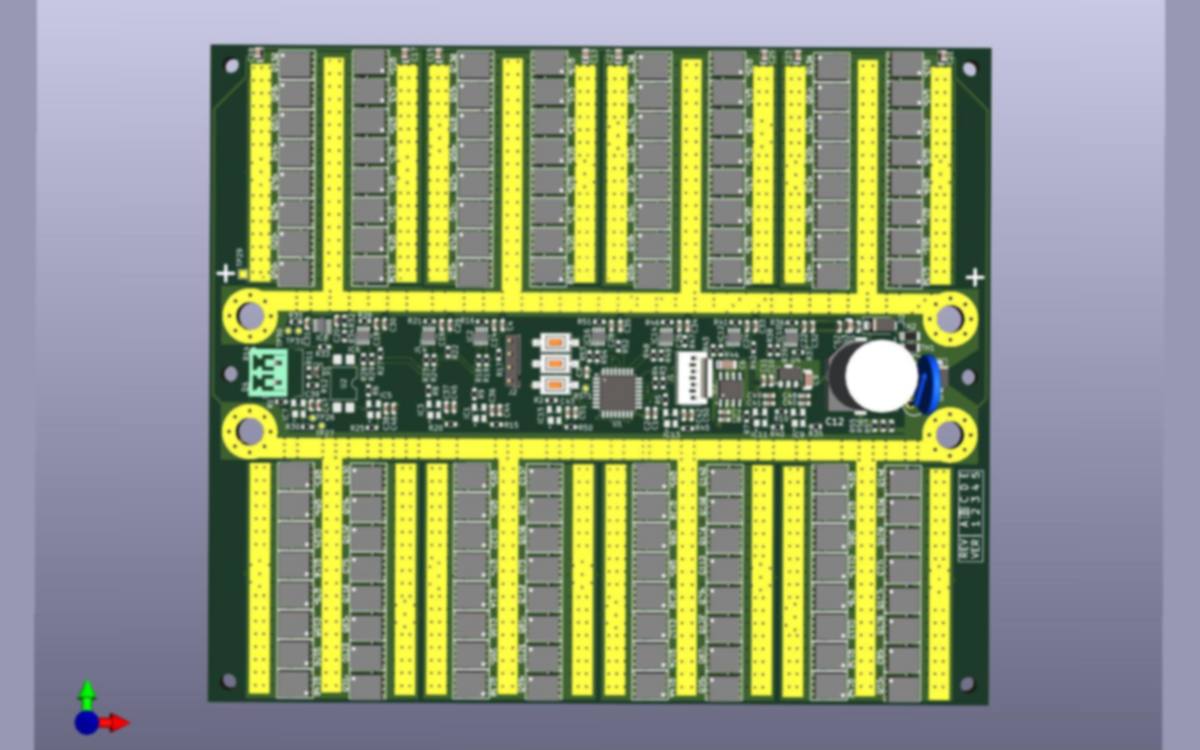
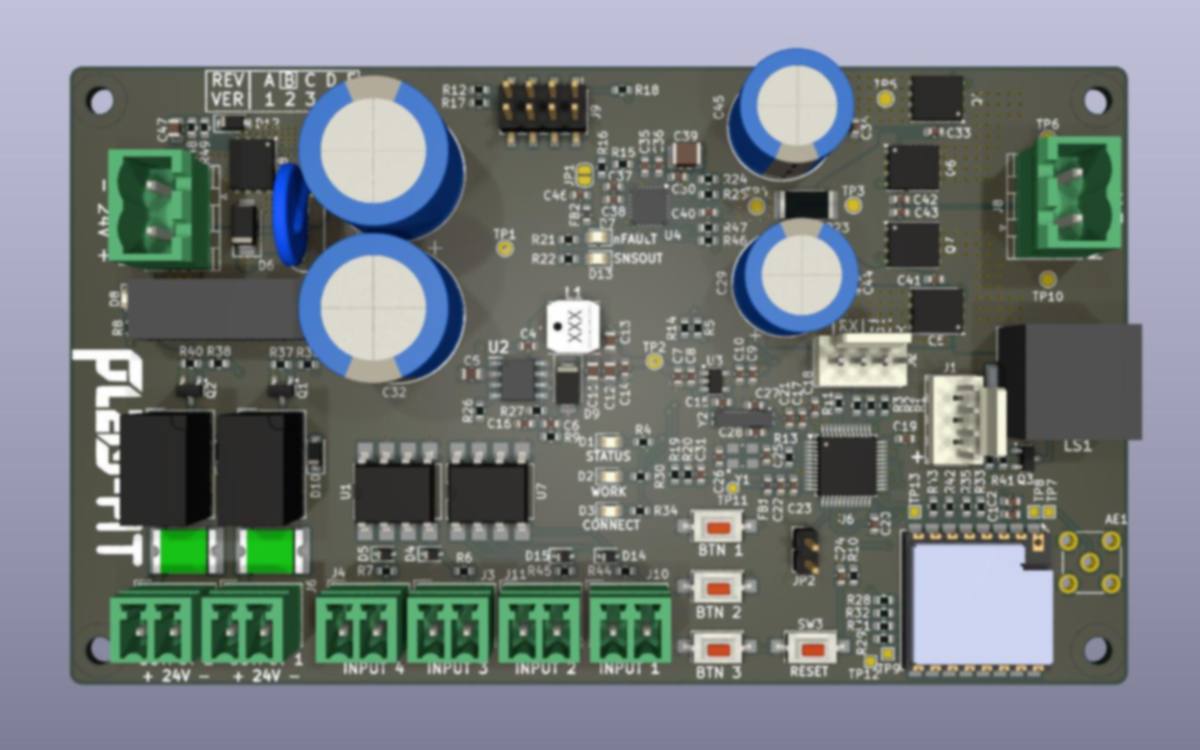
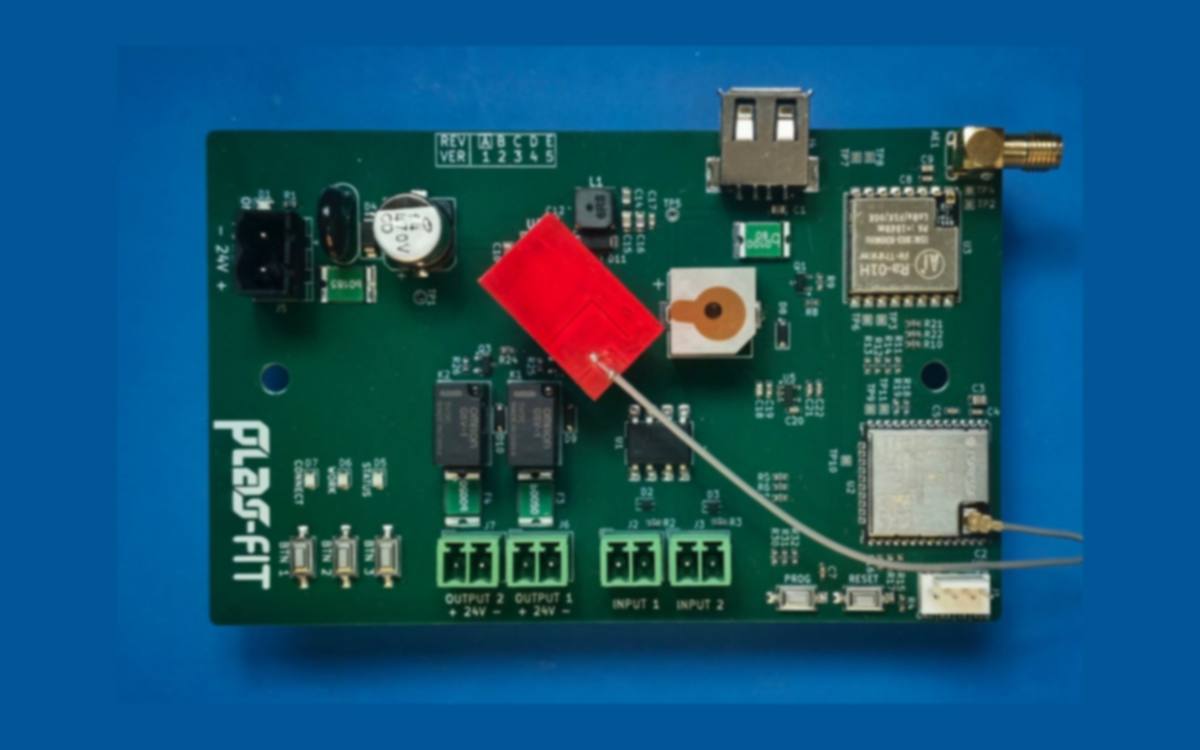
- A dedicated control board that manages the whole system and connects to the piano's sound card.
- Power management: switching power to system components, charging and monitoring the battery, and protection.
- 4G communication: a cellular modem with an external antenna, for a permanent connection to the server from anywhere.
- Playing analysis: an algorithm that analyzes what is being played in real time, detects disruptive playing and mutes the music. When the playing becomes music again, the sound comes back.
- Server management: on/off schedules, volume control, battery status and fault reports, all remote.
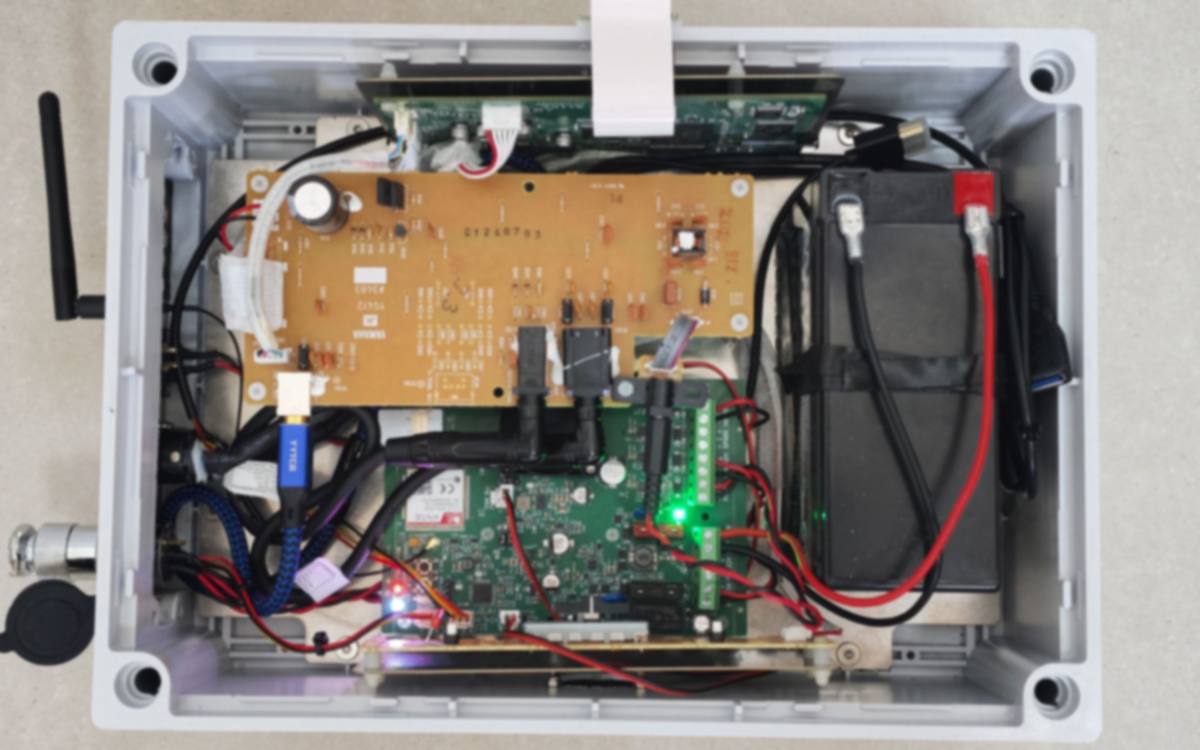
- Field installation: a sealed box with external connectors, an antenna and ventilation.
The result
A piano that works on the street all year round, is managed from the server without field visits, and keeps the peace when needed.