Background
Spot welding joins two metals with a short, very powerful current pulse. Weld quality depends on the precision of the pulse: too little current won't weld, and too much or too long will burn the material. The client needed a machine with several channels working in parallel, for a production line.
The challenge
A current of 1500 amperes is not a job for a single component. It has to be shared evenly among dozens of switching devices, so that none of them heats up more than the others and burns. At the same time, the controller must time the pulse at high resolution and detect a fault before it becomes damage.
What we built
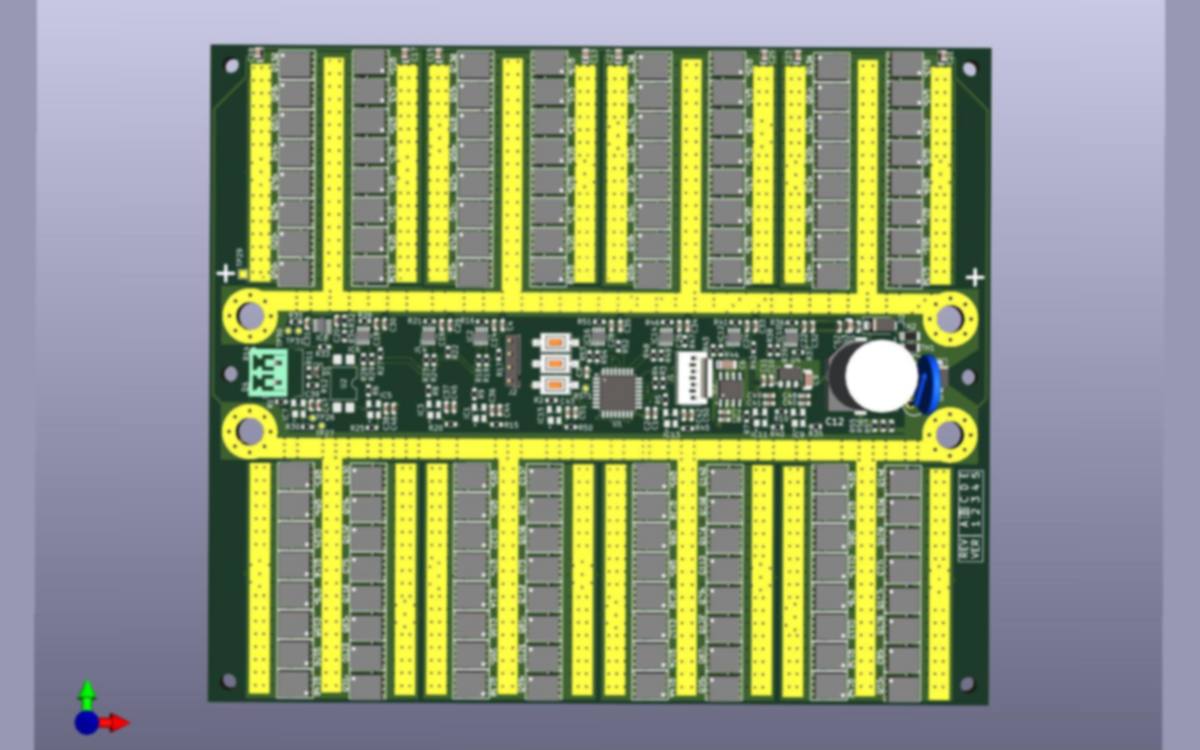
- Power stage: an array of 144 MOSFETs in parallel, arranged in symmetrical rows so the current is shared evenly.
- PCB: extra-wide copper and hundreds of vias to carry current and spread heat. The layout was designed together with the schematic, not after it.
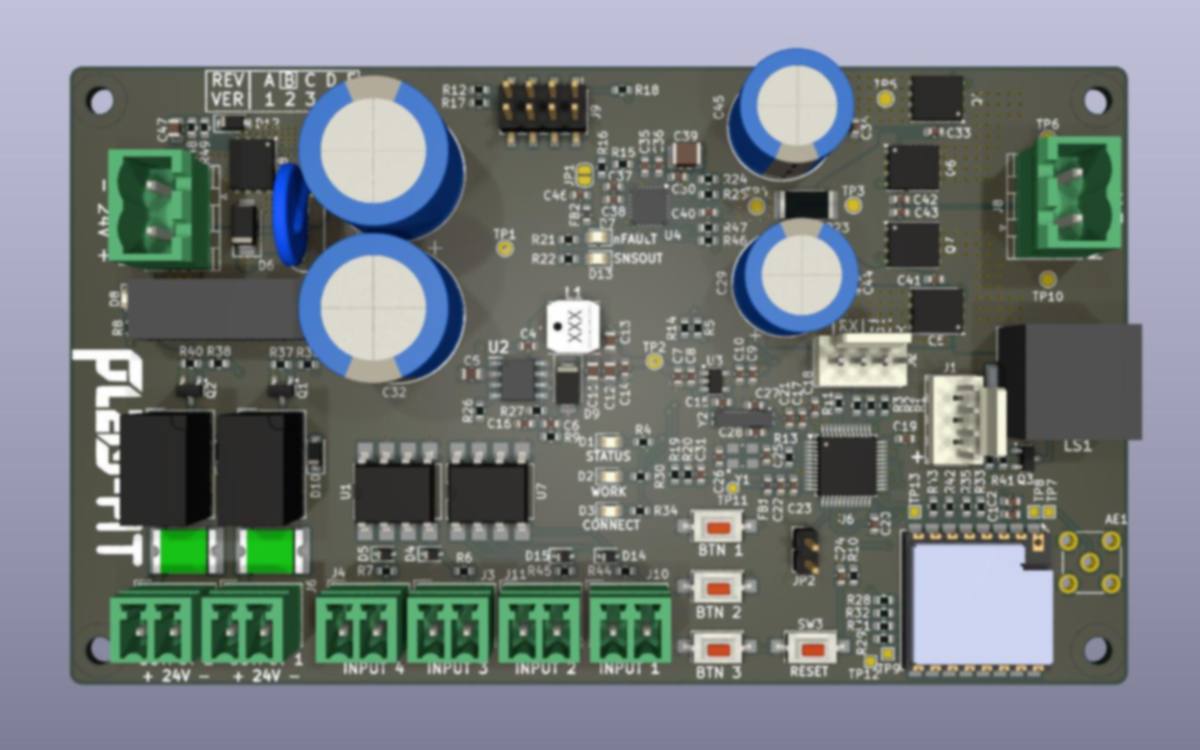
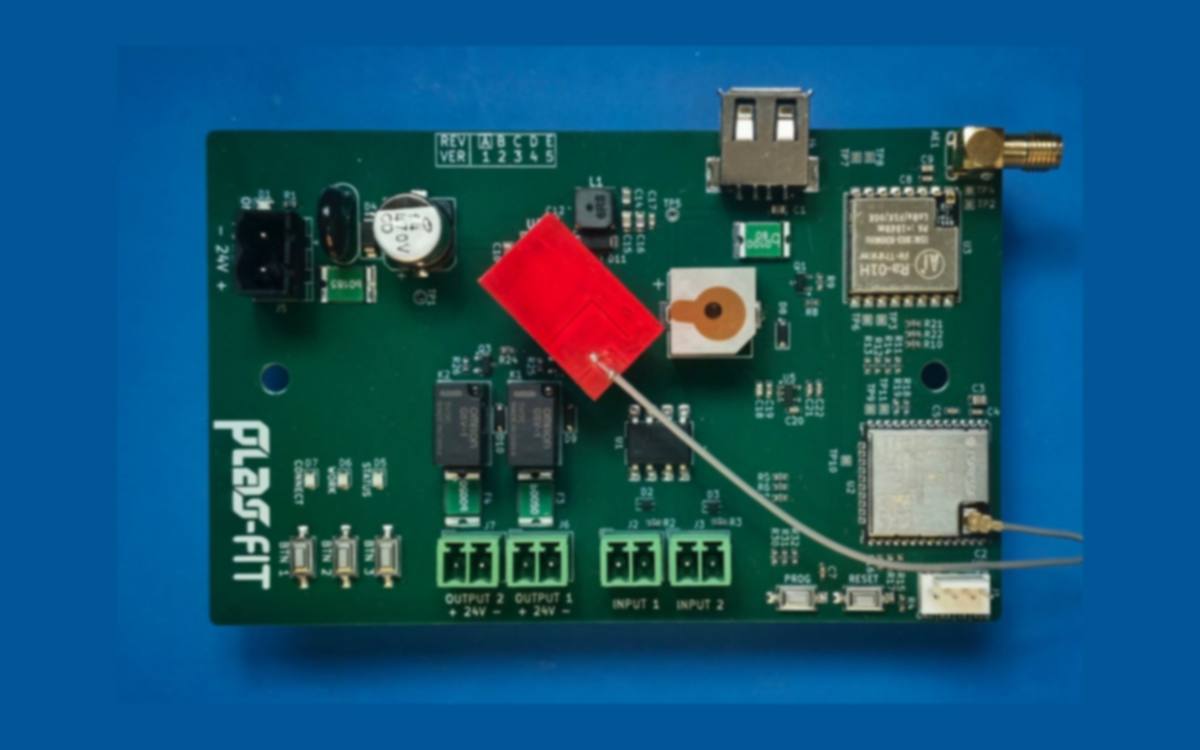
- Control: a microcontroller that times the pulses, measures and triggers protection in real time.
- Firmware: code that manages the channels, an interface for setting welding parameters, and protection against overheating and short circuits.
The result
One control board that manages all welding channels and delivers pulses of up to 1500 A with precise, repeatable timing. Because the same engineer designed the power stage, the layout and the firmware, protection thresholds in the code match exactly what the hardware can survive.